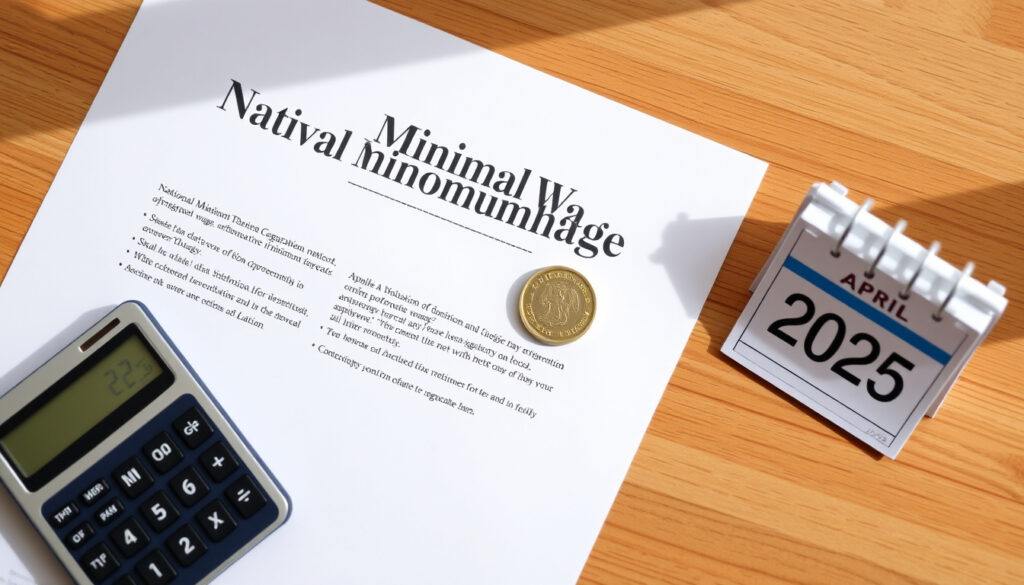
What Is the Minimum Wage – UK 2025 2026 Rates and FAQ
Since April 1999, the UK has had a statutory minimum wage to protect low-paid workers. The rates change every year, usually in April, and depend on your age and whether you are an apprentice. For the current year, from April 2025 to March 2026, the National Living Wage for workers aged 21 and over is set at £12.21 per hour. Younger workers and apprentices receive lower rates, as defined by the National Minimum Wage. These figures are the legal minimum; employers cannot pay less.
The system uses two main terms that are often confused. The National Living Wage (NLW) is the higher rate for those aged 21 and over. The National Minimum Wage (NMW) covers younger workers and apprentices. Both are reviewed each year by the Low Pay Commission (LPC), which recommends new rates to the government. The government usually accepts these recommendations, and the new rates take effect on 1 April.
Understanding which rate applies to you is straightforward once you know your age band. The table below shows the current position and the confirmed increase coming in April 2026. It is worth checking your payslip to confirm that your hourly pay meets the legal requirement for your age.
What is the current UK minimum wage?
£12.21/hour
Until 31 March 2026
£10.00/hour
National Minimum Wage
£7.55/hour
National Minimum Wage
£7.55/hour
Under 19 or first year
- The National Living Wage now applies from age 21, lowered from 25 in 2024.
- Rates are reviewed annually by the Low Pay Commission and announced in autumn for the following April.
- The April 2025 increase was one of the largest single-year rises in over a decade.
- Underpayment is illegal; HMRC enforces the rules and publishes penalties against non-compliant employers.
- Accommodation provided by an employer can be offset against the minimum wage, up to a daily cap of £11.10 from April 2026.
- Apprentices aged 19 or over who have completed their first year must be paid at least the rate for their age band.
| Category | 2025 Rate (Apr 2025 – Mar 2026) | 2026 Rate (from 1 Apr 2026) | Effective period |
|---|---|---|---|
| 21 and over (NLW) | £12.21 | £12.71 | 1 Apr 2025 – 31 Mar 2026 / from 1 Apr 2026 |
| 18–20 | £10.00 | £10.85 | Current / from 1 Apr 2026 |
| 16–17 | £7.55 | £8.00 | Current / from 1 Apr 2026 |
| Apprentice (under 19 or first year) | £7.55 | £8.00 | Current / from 1 Apr 2026 |
What is the minimum wage for a 16 year old?
Workers aged 16 and 17 are entitled to the National Minimum Wage. For the 2025/26 year, the rate is £7.55 per hour. This is the second-lowest band in the system, above only the apprentice rate, which is also £7.55 per hour for qualifying apprentices. Young workers should confirm that their employer applies the correct age-based rate from their first day of work.
16-17 rate
The rate of £7.55 per hour applies to all workers aged 16 and 17 who are not apprentices. This includes part-time and casual workers. The rate increases to £8.00 per hour from 1 April 2026, as confirmed by government announcements.
18-20 rate
Workers aged 18 to 20 receive £10.00 per hour in the 2025/26 year. This is a separate band from the 16-17 rate and the 21+ NLW. From 1 April 2026, the 18-20 rate will increase to £10.85 per hour.
Apprentice rate
Apprentices under 19, or those aged 19 or over who are in the first year of their apprenticeship, are entitled to £7.55 per hour (2025/26). Once an apprentice turns 19 and has completed the first year, they must be paid at least the minimum wage for their age band.
A 20-year-old worker falls in the 18-20 band (not the 21+ NLW) until their 21st birthday. An employer must apply the correct rate from the date the worker turns 21, not before.
What will the minimum wage be in 2026?
The government has confirmed that from 1 April 2026, the National Living Wage for workers aged 21 and over will rise to £12.71 per hour. This represents an increase of 50 pence, or about 4.1%, from the current £12.21. The Low Pay Commission recommended this rate, aiming to keep the NLW at roughly two-thirds of median earnings. The increase was accepted in full by the government.
2026 rates for 21+
The new £12.71 rate applies nationwide across England, Scotland, Wales, and Northern Ireland. Based on a standard 37.5-hour working week, this works out to approximately £476.63 per week gross, or £24,784.50 per year. For a 40-hour week, the annual figure rises to about £26,436.80.
Changes for other age groups
Rates for 18–20, 16–17, and apprentices from April 2026 have also been announced. The 18–20 rate will increase to £10.85 per hour, the 16–17 rate to £8.00 per hour, and the apprentice rate to £8.00 per hour. These increases follow the same April cycle and were based on LPC recommendations.
At the 2026 rate of £12.71 for 21+ workers, a full-time employee on 37.5 hours per week will earn roughly £2,065 per month before deductions. Employers should budget for this increase, especially if they employ staff near the current minimum.
What is the minimum wage yearly?
Calculating the yearly salary from an hourly minimum wage rate is useful for budgeting and comparing job offers. The figures below assume a standard 37.5-hour working week across 52 weeks. Actual take-home pay will be lower after tax, National Insurance, and any pension deductions.
Yearly calculation (full-time, 37.5 hours/week)
At £12.21 per hour (current NLW for 21+), a 37.5-hour week yields approximately £23,809 per year before deductions. At the 2026 rate of £12.71 per hour, the annual figure rises to about £24,784.50. For an 18-20 year old on £10.00 per hour (current rate), the yearly salary is roughly £19,500. The 2026 rate of £10.85 per hour gives approximately £21,156 per year.
Monthly equivalent
Dividing the annual figure by 12 gives a rough monthly gross salary. For a 21+ worker at the current £12.21 rate, this is about £1,984 per month. At the 2026 rate of £12.71, the monthly figure is approximately £2,065. For an 18-20 year old at £10.00 per hour, the monthly gross pay is about £1,625.
Part-time calculation
Part-time workers are entitled to the same hourly rate as full-time workers in the same age band. To calculate your annual pay, multiply your weekly contracted hours by 52, then multiply by your hourly rate. For example, 20 hours per week at £12.21 gives an annual gross salary of about £12,698.
The yearly and monthly figures shown are gross – before tax, National Insurance, and any deductions such as student loan repayments or pension contributions. Use an online take-home pay calculator to estimate net income.
What was the minimum wage in 2025?
The rates that came into force on 1 April 2025 apply until 31 March 2026. For workers aged 21 and over, the NLW was set at £12.21 per hour. The 18–20 rate was £10.00 per hour, and the 16–17 and apprentice rates were both £7.55 per hour. These represented a significant increase from the previous year, when the NLW for 21+ was £11.44 per hour and the 18–20 rate was £8.60 per hour.
2025 rates
The 2025 rates are still in effect until the end of March 2026. Employers are required to pay at least these rates to all eligible workers. The accommodation offset for 2025/26 is £10.66 per day, rising to £11.10 per day from April 2026.
Transition
The transition from the 2025 rates to the 2026 rates happens automatically on 1 April 2026. Workers do not need to do anything – their employer must update their pay accordingly. If you are paid monthly, your April pay cheque should reflect the new rate for hours worked from 1 April onwards.
When did UK minimum wage rates change?
The minimum wage has increased nearly every year since it was introduced in 1999. Below are the key recent dates and changes.
- April 2024 – Rates in effect: 21+ £11.44, 18-20 £8.60, 16-17 £6.40, apprentice £6.40. Accommodation offset £9.99 per day.
- 1 April 2025 – Rates increased to: 21+ £12.21, 18-20 £10.00, 16-17 £7.55, apprentice £7.55. Accommodation offset £10.66 per day.
- October 2025 – The Low Pay Commission recommended the 2026 rates to the government, including the 21+ rise to £12.71.
- 1 April 2026 – Confirmed: 21+ rate rises to £12.71, 18-20 to £10.85, 16-17 to £8.00, apprentice to £8.00. Accommodation offset rises to £11.10 per day.
What we know for sure – and what’s still unclear
| Established information | Information that remains unclear |
|---|---|
| Current 2025/26 rates are set and enforced by law across the whole UK. | 2026 rates for 18-20, 16-17, and apprentices have not yet been confirmed. |
| The 2026 rate for 21+ is confirmed at £12.71 per hour. | Future rates beyond 2026 depend on economic conditions and the next LPC review. |
| Rates apply uniformly in England, Scotland, Wales, and Northern Ireland – no regional variation. | The government may change the age threshold again, such as lowering the NLW to 18. |
Understanding the minimum wage: context and implications
The UK minimum wage was introduced in April 1999 to establish a legal floor for pay and reduce in-work poverty. Since then, it has risen significantly, both in cash terms and relative to average earnings. The National Living Wage was introduced in 2016 for workers aged 25 and over, and the threshold was lowered to 21 in 2024, expanding coverage to more younger adults.
Each year, the Low Pay Commission examines economic conditions, employment levels, and living costs before recommending new rates. The government usually accepts these recommendations. The April 2026 increase of 4.1% for the 21+ rate reflects the LPC’s target of maintaining the NLW at roughly two-thirds of median earnings. This balancing act aims to protect workers without imposing excessive costs on employers, particularly small businesses.
Although the statutory minimum wage is the same across all parts of the UK, some employers, especially in London and other high-cost areas, choose to pay a higher voluntary rate known as the Real Living Wage. This is a separate benchmark calculated by the Living Wage Foundation based on the cost of living, and it is not a legal requirement. As of the most recent data, the Real Living Wage for London is £13.15 per hour, while the UK-wide figure is £12.00 per hour.
Key sources and official statements
“The national minimum wage is the minimum pay per hour most workers are entitled to.”
— GOV.UK
“Workers must be paid at least the National Minimum Wage or National Living Wage.”
— ACAS
“The current National Living Wage for workers aged 21 and above is £12.71 per hour from April 2026.”
— UNISON
“As of 1 April 2026, this is £12.71 per hour.”
What’s next for the minimum wage?
The Low Pay Commission will begin its review for the April 2027 rates later in 2026, with recommendations expected in the autumn. Employers and workers should monitor official GOV.UK updates for the next announcement. There is ongoing discussion about potentially extending the National Living Wage to workers aged 18 and over, which could be a significant change in future years. For now, the confirmed increase to £12.71 from April 2026 gives workers and businesses a clear benchmark for planning.
For related UK salary information, see Band 5 NHS Pay 2024 – Full Salary Scales & Latest Updates and UK Pensioners £3000 Savings Notice – HMRC Rules Explained.
Frequently asked questions about the minimum wage
What is the minimum wage near Manchester?
Manchester is not a separate rate zone. The national UK minimum wage applies to all locations, including Manchester. The rates listed above for your age group apply.
Is the minimum wage different in Scotland or London?
No, the statutory minimum wage is the same across England, Scotland, Wales, and Northern Ireland. Some employers in London pay the voluntary London Living Wage (currently £13.15/hour), but the legal requirement is the same.
What is the minimum wage for a 20 year old?
A 20-year-old falls in the 18-20 age band and is entitled to £10.00 per hour (2025/26). From April 2026, the 18-20 rate rises to £10.85 per hour. The 21+ NLW does not apply until the worker turns 21.
Can an employer pay less than the minimum wage?
No, it is illegal. Workers can report underpayment to HMRC or seek advice from ACAS.
What is the difference between National Minimum Wage and National Living Wage?
The National Living Wage is the higher rate that applies to workers aged 21 and over. The National Minimum Wage is the general term for rates for younger workers.
What is the minimum wage for an apprentice?
Apprentices under 19, or aged 19+ in their first year, receive £7.55 per hour (2025/26), rising to £8.00 per hour from April 2026.
Does the minimum wage apply to casual or zero-hours workers?
Yes, all workers, including those on zero-hours contracts, are entitled to the minimum wage for the hours they work.
How do I check if my employer is paying the minimum wage?
Divide your gross pay by the number of hours worked. Compare the result with the rate for your age band. Use the Check Your Pay government tool for confirmation.
More related posts
 What Language Do They Speak in Belgium – Dutch French German
 When Should Tyre Pressure Be Checked – Always When Cold
 Korean Won to GBP – Current Rate and Conversion Guide
 Zendaya Movies and TV Shows – Complete Filmography Guide
 Auto Electrician Near Me – Reliable Local Experts and Repairs
 Houses for Sale Dunfermline – 2025 Prices and Best Areas
 English to Bangla Translate – Best Apps, Tools and Tips
 Bernard Bresslaw – Life, Height, Cause of Death and Carry On Films