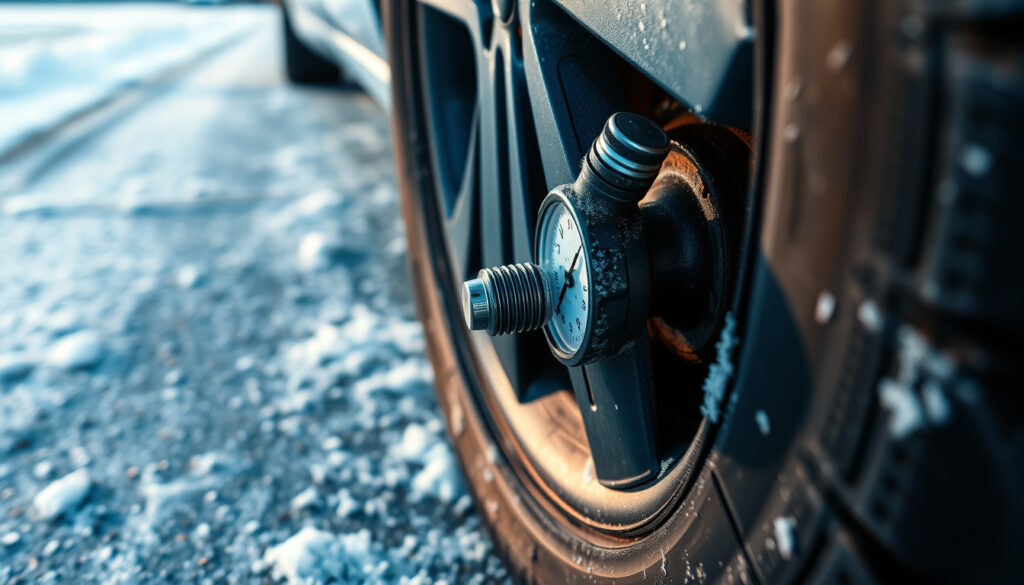
When Should Tyre Pressure Be Checked – Always When Cold
Correct tyre pressure is essential for safety, fuel efficiency, and tyre longevity. Most drivers in the UK understand the basics, but knowing exactly when to check—and whether hot or cold tyres matter—can make the difference between accurate readings and dangerously misleading ones. The answer to when tyre pressure should be checked is consistent across UK theory test materials, manufacturer guidelines, and motoring organisations: always when tyres are cold.
This distinction matters because tyres heat up during driving, causing pressure to rise and giving falsely inflated readings. Checking tyres at the wrong time can lead to underinflation once they cool down, increasing the risk of blowouts, poor handling, and accelerated wear. Understanding the correct timing, frequency, and tools for tyre pressure checks helps drivers maintain their vehicles properly and stay compliant with UK road regulations.
This guide covers everything drivers need to know about checking tyre pressure in the UK, from the science behind cold versus hot tyres to practical tools for finding the right pressure for any vehicle.
When Should Tyre Pressure Be Checked: Hot or Cold?
The consensus among UK motoring authorities, tyre manufacturers, and theory test resources is unambiguous: tyre pressure should always be checked when tyres are cold. This principle underpins the official answer to tyre pressure questions in the UK driving theory test, where candidates are expected to know that cold checks provide the most accurate reading matching manufacturer recommendations.
Understanding Cold Tyres
Cold tyres are defined as those that have been parked for at least two to four hours, driven less than 1.5 to 2 kilometres at low speeds, or checked first thing in the morning when tyre temperature equals ambient air temperature—ideally around 20°C. At this point, the pressure inside the tyre reflects the true state without thermal expansion from driving friction or ambient heat.
Why Hot Tyres Give False Readings
When tyres are hot, pressure readings can be significantly inflated. Motoring sources indicate that hot tyres typically show two to six PSI higher than actual cold pressure—sometimes as much as 20 percent more. This occurs because heat from driving friction and ambient temperature causes the air inside the tyre to expand. If a driver deflates tyres based on hot readings, the pressure will drop further once they cool, resulting in underinflation.
Never deflate hot tyres to “correct” a high reading. Allow them to cool completely before adjusting pressure. Driving on underinflated tyres increases fuel consumption, shortens tyre life, and raises the risk of a blowout.
Temperature and Pressure: The Science
Tyre pressure responds predictably to temperature changes. For every 10°C shift in ambient temperature, pressure changes by approximately 0.1 bar—or one to two PSI. This means a sudden cold spell can reduce pressure enough to warrant a top-up, while summer heat can push readings higher than expected. Drivers should account for these fluctuations, particularly during seasonal transitions or after travelling between climates.
Check tyre pressure early morning or after overnight parking for the most consistent results. Tyres that have been sitting in direct sunlight—even while stationary—can show elevated readings due to absorbed heat.
Quick Reference: Hot vs Cold Tyre Pressure
| Condition | Pressure Reading | Safe to Adjust? |
|---|---|---|
| Cold tyres (parked 2-4+ hours) | Matches manufacturer specification | Yes |
| Warm tyres (short drive) | Slightly elevated | Not recommended |
| Hot tyres (extended driving) | 2-6 PSI higher than cold | Never deflate; wait to cool |
| Cold morning (ambient ~20°C) | Baseline reading | Ideal check condition |
How Often Should You Check Tyre Pressure?
UK motoring organisations recommend checking tyre pressure at least once a month, with additional checks before long journeys or when carrying heavy loads. Some drivers choose to check every couple of weeks—especially before weekends or planned trips—as a precaution. This regular routine helps catch slow punctures, natural pressure loss, and temperature-related fluctuations before they become safety issues.
The ideal moments to check tyre pressure are overnight parking, early morning before driving, or whenever tyres have been idle and match ambient temperature. These conditions ensure readings stay consistent and reflect the manufacturer’s intended specification without thermal interference.
Minimum: Once a month. Recommended: Every two weeks. Before long trips: Always. After temperature extremes: Check and adjust as needed.
Checking Pressure by Registration
Drivers can find their exact recommended tyre pressures by entering their vehicle registration on specialist websites. Services such as those offered by National Tyres allow users to look up pressures specific to their make and model. This removes guesswork and ensures compliance with manufacturer guidelines.
UK Theory Test Relevance
Tyre pressure questions appear in the UK driving theory test under vehicle maintenance. The official guidance emphasises checking cold tyre pressures for safety, as hot checks produce false readings that can lead to underinflation or overinflation once temperatures normalise. Monthly checks align with the standard advice promoted by the DVSA and reinforced by motoring organisations.
What Is the Correct Tyre Pressure for My Car?
There is no single universal tyre pressure for all vehicles. Each manufacturer specifies the correct cold pressure for their models, typically found on a sticker inside the driver’s door jamb, in the owner’s manual, or on a label near the fuel cap. These figures may be listed in PSI, bar, or both, so drivers should note which unit their gauge uses.
Finding Your Vehicle’s Pressure
- Driver’s door jamb sticker (most common location)
- Owner’s handbook or vehicle documentation
- Fuel cap label (some manufacturers)
- Online tyre pressure calculators using your registration
Understanding Pressure Units
In the UK, tyre pressure is measured in both PSI (pounds per square inch) and bar. One bar equals approximately 14.5 PSI. A reading of 2.4 bar translates to roughly 35 PSI—a common cold pressure for many family cars. Heavier vehicles or those with different wheel sizes may require higher pressures, which is why consulting the vehicle-specific label is essential rather than relying on generic advice.
2.4 bar ≈ 35 PSI. Use this as a rough guide, but always verify against your vehicle’s door jamb label or handbook for accurate figures specific to your car.
Adjusting for Load and Season
Some vehicles have different recommended pressures for front and rear tyres, or for when carrying full loads. The door jamb label often specifies these variations. During colder months, pressure may drop naturally due to temperature shifts, requiring top-ups. In summer, monitor readings more frequently as heat can cause fluctuations. Adjusting pressure based on load conditions helps maintain tyre integrity and fuel efficiency.
Audi and Vehicle-Specific Labels
Like all manufacturers, Audi specifies cold pressures on the door jamb label or in the handbook. Typical cold pressures for Audi models range from 32 to 35 PSI, rising to 36 to 41 PSI when tyres warm up in warmer weather. Always use the cold target figure when checking and adjusting, regardless of the vehicle make or model.
Tyre Pressure Checkers and Calculators in the UK
UK drivers have access to a range of tools for checking and calculating correct tyre pressures. These include physical pressure gauges, tyre pressure monitoring systems (TPMS) fitted to newer vehicles, and online calculators that provide vehicle-specific recommendations based on registration numbers.
Using Tyre Pressure Gauges
Digital tyre pressure gauges offer the most accurate manual readings and are widely available at motoring retailers. Analogue dial gauges and pencil-style gauges are also effective when used correctly. For best results, check pressure when tyres are cold, unscrew the valve cap, press the gauge firmly onto the valve stem, and read the measurement. Compare the result against your vehicle’s recommended pressure and adjust accordingly.
Halfords Tyre Pressure Services
Halfords offers tyre pressure checks both in-store and through their online resources. Their in-store tyre pressure check service uses professional equipment to measure and adjust pressure to manufacturer specifications. Their website also provides guidance on how weather affects pressure and explains the relationship between temperature changes and PSI readings.
Tyre Pressure Calculators by Registration
Online tyre pressure calculators allow drivers to input their vehicle registration and receive exact recommended pressures for their specific model. These tools eliminate the need to search through handbooks or decode door labels manually. By entering your registration on sites like National Tyres, you can access accurate figures for cold pressures, load adjustments, and seasonal variations.
Government Resources
The UK government advises drivers to regularly check their vehicle tyres, including pressure, tread depth, and general condition. Official guidance stresses that underinflated tyres increase fuel consumption and braking distances while raising the risk of accidents. Drivers can consult GOV.UK’s vehicle tyre check guidance for regulatory context and safety standards.
Why Tyre Pressure Checks Matter
Maintaining correct tyre pressure directly affects three critical areas: safety, fuel efficiency, and tyre longevity. Underinflated tyres create greater rolling resistance, which increases fuel consumption and generates excess heat that can lead to tyre failure. Overinflated tyres reduce the contact patch with the road, compromising grip and braking performance while causing accelerated centre-tread wear.
From a legal perspective, tyres with incorrect pressure can result in vehicle inspection failures and fines. The Road Traffic Act requires drivers to ensure their tyres are fit for purpose, which includes maintaining proper inflation. Regular checks help drivers avoid penalties and stay roadworthy. Proper tyre maintenance also contributes to vehicle alignment, which is connected to overall handling and tyre wear patterns. Drivers seeking professional assessment can look for wheel alignment services to address related issues.
What Is Confirmed and What Requires Verification
| Established Information | Items Requiring Vehicle-Specific Verification |
|---|---|
| Check tyres when cold for accuracy | Exact PSI/bar for your specific model |
| Monthly checks recommended by RAC, AA, and others | Front/rear pressure differences for your vehicle |
| Hot tyres show 2-6 PSI higher than cold | Load-specific pressure adjustments |
| 2.4 bar equals approximately 35 PSI | Recommended pressures for unusual tyre sizes |
| Cold pressure specified on door jamb label | TPMS sensor compatibility with your vehicle |
| Pressure changes ~1-2 PSI per 10°C shift | Seasonal pressure schedules for your climate zone |
Sources and Expert Guidance
“Tyre pressure should be checked once a month and before long journeys. Always check tyres when they are cold to ensure an accurate reading.”
— RAC Motoring Advice
“When checking tyre pressures, tyres should ideally be cold. If you have driven the car, wait for them to cool down before checking.”
— The AA Motoring Advice
These recommendations are backed by multiple UK motoring organisations and tyre manufacturers, including Michelin and Bush Tyres. The consistency across sources underlines the importance of cold checks as the standard practice for all UK drivers.
Summary
Tyre pressure in the UK should always be checked when tyres are cold—parked for at least two to four hours or first thing in the morning. This provides the most accurate reading that matches manufacturer specifications and is the correct answer reinforced by the UK theory test. Checking monthly at minimum, or every couple of weeks for added precaution, helps maintain safety, fuel efficiency, and tyre longevity. Drivers can find their exact recommended pressures on the driver’s door jamb sticker, in the owner’s manual, or by using an online tyre pressure calculator based on their registration. For those experiencing handling issues or uneven tyre wear, wheel alignment checks can complement regular pressure maintenance and extend tyre life.
Frequently Asked Questions
When should tyre pressure be checked according to the UK theory test?
The UK theory test expects candidates to know that tyre pressure should be checked when tyres are cold. Checking hot tyres gives falsely elevated readings, which can lead to dangerous underinflation once tyres cool.
What is 2.4 bar in PSI for tyre pressure?
2.4 bar equals approximately 35 PSI. This is a common cold pressure for many passenger vehicles, though exact figures vary by make and model—always check your vehicle’s door jamb label for confirmation.
How do I read the tyre pressure label on an Audi?
Audi specifies cold pressures on the door jamb label or in the owner’s handbook. Typical cold pressures range from 32 to 35 PSI. The label may show different values for front and rear tyres or when carrying heavy loads.
How often should I check tyre pressure in the UK?
UK motoring organisations recommend checking at least once a month, with additional checks before long trips or after significant temperature changes. Every couple of weeks is a practical frequency for most drivers.
Can I check tyre pressure at a Halfords store?
Yes. Halfords offers in-store tyre pressure checks using professional equipment. Their staff can inflate or deflate tyres to match your vehicle’s specification after checking the pressure.
How does temperature affect tyre pressure?
Tyre pressure drops by approximately 1-2 PSI for every 10°C decrease in temperature, and rises similarly in warmer conditions. Drivers should check pressure more frequently during seasonal transitions.
More related posts
 Lee Byung-hun – Age, Wife, Career, Movies and Facts
 Whos Playing Darts Tonight – No PDC Events Scheduled
 Lee Jae-wook – Age Height Dramas Career Profile
 Angela Lansbury – Her Life, Career and Lasting Legacy
 Latest YouGov Opinion Poll Today – Reform UK Leads at 24%
 Can You Take Aerosols on a Plane – UK Rules Guide
 Emily Black – Age, Instagram, TikTok & OnlyFans Bio
 Michelle Williams – How to Tell the Actress and Singer Apart