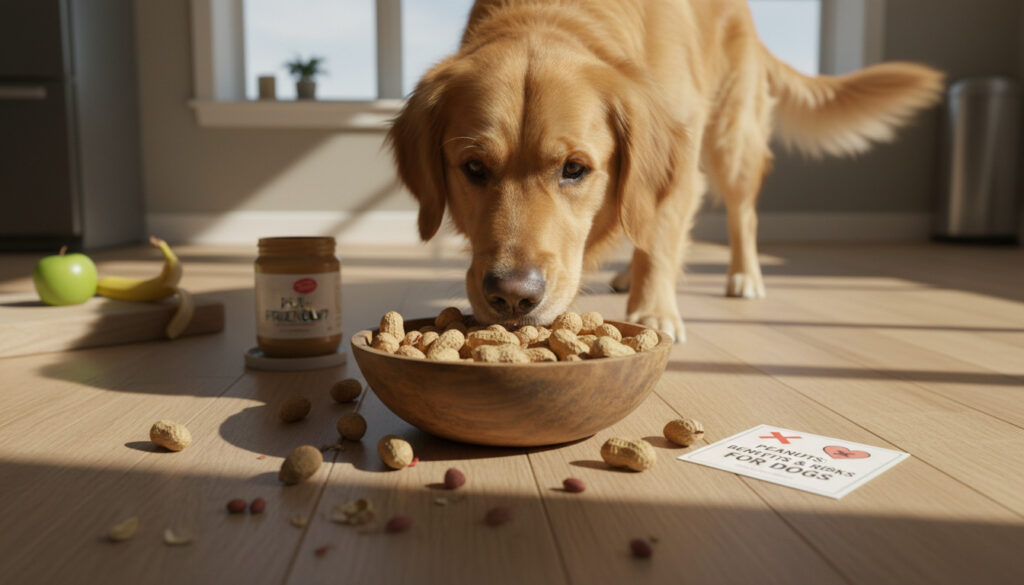
Can Dogs Eat Peanuts – Safety Risks and Benefits
Plain, unsalted peanuts—whether raw or dry-roasted—pose no immediate toxicity risk to most dogs and can deliver nutritional benefits when offered sparingly. These legumes provide protein, vitamin B6, vitamin E, niacin, phosphorus, and potassium that support canine muscle maintenance and energy metabolism. However, the margin between a healthy snack and a veterinary emergency depends entirely on preparation methods, portion control, and the individual dog’s health status.
Commercial peanut varieties often contain hidden hazards that plain nuts do not. Salted cocktail peanuts, honey-roasted preparations, and sugar-free peanut butters containing xylitol present distinct poisoning risks. Understanding these distinctions allows owners to safely share occasional treats while avoiding emergency room visits.
Veterinary consensus from organizations including the American Kennel Club and PetMD maintains that shelled, unseasoned peanuts serve as acceptable occasional rewards. Yet significant disagreements exist within the pet nutrition community regarding long-term safety, particularly concerning aflatoxin contamination and anti-nutrient content.
Can Dogs Eat Peanuts?
| Safety Status Safe for most dogs when plain and unsalted |
Optimal Form Shelled, dry-roasted or raw without additives |
Primary Hazards Choking, aflatoxins, high fat content |
Frequency Limit Occasional only; less than 10% of daily calories |
- Peanuts provide biologically available protein and essential B vitamins that support canine coat health and cellular function.
- Only unsalted, shelled varieties earn veterinary approval; shells pose intestinal blockage risks.
- Raw peanuts carry elevated aflatoxin risks compared to dry-roasted alternatives.
- Xylitol-containing peanut butters trigger acute hypoglycemia and liver failure, unrelated to peanut toxicity itself.
- Dogs with histories of pancreatitis, obesity, or renal disease should avoid peanuts entirely due to concentrated fat and mineral content.
- Boiled peanuts require the same unsalted, unseasoned standards as raw forms to prevent gastrointestinal distress.
- Portion sizes must scale dramatically downward for toy breeds versus large working dogs.
| Characteristic | Safety/Content Details | Veterinary Significance |
|---|---|---|
| Botanical classification | Legume (Arachis hypogaea), not a true tree nut | Different allergen profile than tree nuts; generally lower toxicity risk |
| Plain unsalted peanuts | Generally recognized as safe | Approved for occasional consumption by AKC nutritional guidelines |
| Peanut shells | Physical obstruction hazard | Can cause esophageal or intestinal blockages requiring surgical removal |
| Raw peanut storage | Aflatoxin B1 risk from Aspergillus mold | Potential acute liver failure; higher risk in humid storage conditions |
| Salted varieties | Sodium ion overdose risk | Routine consumption risks hypertension and renal stress |
| Xylitol presence | Artificial sweetener in some peanut butters | Life-threatening hypoglycemia within 30-60 minutes of ingestion |
| Caloric density | High fat content (~50% by weight) | Exceeds canine metabolic needs; contributes to obesity and pancreatitis |
| Roasted preparation | Reduced moisture, lower aflatoxin levels | Preferred over raw for long-term storage safety |
Is Peanut Butter Safe for Dogs?
Peanut butter remains one of the most popular canine treats, particularly for medication administration and training rewards. The spread offers the same nutritional benefits as whole peanuts—protein, healthy fats, and vitamin E—in a more digestible format. However, the safety profile hinges entirely on ingredient verification.
The Xylitol Toxicity Threat
Sugar-free peanut butters increasingly substitute xylitol for caloric sweeteners. This sugar alcohol triggers massive insulin release in dogs, causing rapid blood glucose crashes and subsequent hepatic necrosis. Unlike chocolate or grape toxicity, xylitol poisoning acts within minutes, producing coordination loss, seizures, and collapse. Veterinary emergency data from the American Kennel Club confirms that even tablespoon quantities of xylitol-laced spreads can kill a medium-sized dog.
Always verify labels for xylitol, birch sugar, or wood sugar before offering peanut butter. Products marketed as “sugar-free,” “low-calorie,” or “diabetic-friendly” require extra scrutiny. When uncertainty exists regarding ingredients, avoid the product entirely.
Selecting Appropriate Brands
Homemade peanut butters or veterinary-approved pet-specific brands offer the safest profiles. These preparations exclude added sodium, hydrogenated oils, palm oil, and preservatives found in commercial human varieties. Emergency veterinary guidance recommends selecting single-ingredient products containing only peanuts, ensuring no hidden sweeteners or flavorings contaminate the batch.
Portion Control Guidelines
Despite nutritional benefits, peanut butter delivers caloric density that quickly exceeds canine dietary requirements. Veterinarians universally recommend limiting peanut butter to no more than 10 percent of daily caloric intake. For a 30-pound dog, this translates to roughly one teaspoon rather than the heaping tablespoons owners often dispense. Regular overfeeding contributes to weight gain, insulin resistance, and inflammatory conditions.
Risks of Feeding Peanuts to Dogs
Beyond immediate toxicity concerns, peanuts present several physiological risks that owners must weigh against nutritional benefits. These dangers range from acute physical obstructions to chronic metabolic diseases.
Choking and Gastrointestinal Blockages
Whole peanuts and fragments of shell material lodge readily in canine esophagi and intestinal tracts. Small breed dogs face particular danger due to narrow digestive passages. Raw feeding specialists note that ground or crushed peanuts eliminate this hazard while maintaining nutritional value.
Aflatoxin Contamination
Aspergillus flavus and Aspergillus parasiticus molds produce aflatoxins that flourish in warm, humid growing and storage conditions. These mycotoxins target hepatic function, potentially causing acute liver failure or chronic carcinogenic damage. Raw peanuts demonstrate higher contamination rates than roasted varieties, though improper storage can compromise even dry-roasted nuts.
Store raw peanuts in airtight containers within cool, dry environments to minimize mold proliferation. Discard any nuts showing dark spots, musty odors, or shriveled textures. When sourcing raw peanuts for dogs, prioritize human-grade products with quality-controlled supply chains.
Pancreatitis and Obesity
Canine digestive systems process dietary fats less efficiently than humans. The 50-percent fat content in peanuts overwhelms pancreatic enzyme production in susceptible dogs, triggering inflammation that requires hospitalization. Clinical nutrition studies link routine high-fat snacking to chronic pancreatitis and obesity, particularly in sedentary or senior animals.
Sodium and Seasoning Hazards
Salted peanuts deliver sodium loads that exceed canine renal excretion capacities. While a single salted nut causes minimal harm, habitual consumption strains cardiovascular and renal systems. Flavored varieties containing onion powder, garlic, nutmeg, or chocolate coatings introduce specific toxicities unrelated to the peanut itself.
Can Puppies Eat Peanuts?
No established research specifically addresses peanut tolerance in juvenile dogs. Developmental physiology suggests puppies face elevated risks compared to adults due to immature hepatic detoxification pathways and smaller airway diameters. The absence of breed-specific metabolic data further complicates safety assessments for growing animals.
Veterinary consensus recommends avoiding peanuts entirely for dogs under six months or until adult digestive enzymes fully mature. If owners choose to introduce peanuts after this threshold, they should offer minuscule quantities—literally one-quarter of a shelled nut—and monitor for 24 hours for vomiting, diarrhea, or lethargy.
Consult a veterinarian before offering peanuts to puppies, particularly small breeds with histories of hypoglycemia. The caloric density of peanuts can disrupt carefully balanced growth diets formulated for skeletal development.
Safe Preparation Timeline
Proper peanut preparation follows a sequential safety protocol to minimize contamination and physical hazards:
- Source Selection: Choose human-grade, unsalted raw or dry-roasted peanuts from reputable suppliers with quality control certifications. Veterinary sourcing guidelines emphasize avoiding bulk bins with unknown storage histories.
- Shell Removal: Manually inspect and remove all shell fragments, including the papery red skins that adhere to shelled nuts, to prevent choking.
- Contamination Inspection: Discard any nuts exhibiting mold spots, off-odors, or discoloration that suggests aflatoxin presence.
- Size Reduction: Crush or grind peanuts for small breeds to eliminate obstruction risks while facilitating digestion.
- Portion Measurement: Calculate caloric contribution against daily requirements, ensuring peanuts comprise less than 10 percent of total intake.
- Observation Period: Monitor the dog for 12-24 hours post-consumption for signs of allergic response or digestive distress.
Established Facts vs. Persistent Uncertainties
| Scientifically Established | Currently Unclear or Debated |
|---|---|
| Plain, unsalted peanuts are non-toxic to most dogs in moderation | Prevalence rates of true peanut allergies in canine populations |
| Xylitol causes acute, dose-dependent toxicity | Long-term cumulative effects of low-dose aflatoxin exposure |
| High fat content correlates with pancreatitis risk | Specific lectin sensitivity thresholds in individual dogs |
| Shelled peanuts prevent physical obstruction | Safe quantitative limits per kilogram of body weight |
| Roasting reduces aflatoxin loads compared to raw storage | Interaction effects between peanut compounds and common medications |
Context and Nutritional Background
Peanuts occupy a unique position in canine nutrition discussions because they are legumes rather than true nuts. This botanical distinction places them closer to peas and lentils than to walnuts or macadamia nuts, explaining their generally lower toxicity profile compared to tree nuts. The veterinary toxicology literature classifies peanuts as conditional safe foods rather than toxic hazards, unlike macadamia nuts or black walnuts.
The humanization of pet diets drives much of the confusion surrounding peanut safety. As owners increasingly share human-grade snacks, the distinction between minimally processed whole foods and processed commercial varieties becomes critical. How Much is Universal Credit – Rates and Allowances 2025 reflects broader economic trends affecting pet food purchasing decisions, though nutritional quality remains independent of cost.
Understanding that dogs metabolize fats and sodium differently than humans clarifies why preparation methods matter more than the base ingredient. While humans tolerate salted, roasted, and seasoned peanuts routinely, canine physiology lacks the hepatic capacity to process high sodium loads and the pancreatic resilience to manage persistent high-fat intake.
Veterinary Perspectives and Attribution
Professional veterinary organizations maintain unified positions on basic peanut safety while acknowledging knowledge gaps regarding long-term effects.
Plain, unsalted peanuts are safe for most dogs in small amounts as an occasional treat, providing nutrients like protein, vitamins B6 and E, niacin, phosphorus, and potassium.
— PetMD Veterinary Review Board
Raw peanuts have higher risk of aflatoxin fungus from humid growth conditions, potentially leading to acute liver failure.
— Bella + Duke Veterinary Nutrition Team
Dogs with heart or kidney disease, obesity, strict diets, or pancreatitis history should avoid peanuts due to concentrated fat and mineral content.
— WebMD Veterinary Contributors
Summary of Canine Peanut Safety
Plain, unshelled, unsalted peanuts offer safe occasional treats for healthy adult dogs, delivering protein and essential vitamins without toxicity risks. The critical dangers emerge from preparation errors—salted varieties, mold contamination, and xylitol-adulterated butters—rather than the nuts themselves. Owners must prioritize veterinary-grade sourcing, strict portion control below 10 percent of daily calories, and immediate exclusion for dogs with pancreatic or renal vulnerabilities. What Is a Current Account – Definition, Features and Savings Differences illustrates how financial planning extends to veterinary nutrition budgets, ensuring pets receive appropriate dietary investments.
Frequently Asked Questions
What immediate symptoms indicate a dog ate salted peanuts?
Excessive thirst, urination, and potential vomiting within hours. Sodium ion toxicity produces neurological symptoms including tremors and seizures at high doses, requiring emergency veterinary intervention.
Can dogs eat peanut shells if crushed finely?
Veterinarians advise against feeding any shell material. Even finely crushed shells contain fibrous matter that irritates gastrointestinal linings and potentially causes micro-perforations or blockages.
How quickly does xylitol poisoning manifest?
Hypoglycemia symptoms appear within 30-60 minutes of ingestion. Lethargy, vomiting, loss of coordination, and seizures indicate immediate emergency requiring glucose support and hepatoprotective therapy.
Are boiled peanuts safer than roasted for dogs?
Safety depends entirely on sodium and seasoning content. Unsalted, unseasoned boiled peanuts with shells removed match roasted peanuts in risk profiles, though boiling does not reduce aflatoxin levels.
Can peanut allergies develop in older dogs?
While rare, dogs may develop food sensitivities at any age. Introduce peanuts gradually and watch for itching, ear inflammation, or gastrointestinal distress that suggests individual intolerance.
Why do some vets oppose peanut feeding entirely?
Certain holistic practitioners cite lectin content, omega-6 fatty acid imbalances, and aflatoxin risks as reasons to avoid peanuts, favoring lower-risk protein sources despite mainstream veterinary acceptance of plain peanuts.
More related posts
 Latest YouGov Opinion Poll Today – Reform UK Leads at 24%
 Can Dogs Eat Peanuts – Safety, Risks and Benefits
 Uk Currency In India – Live GBP to INR Rate and Transfer Guide
 How Old Is Donald Trump – Exact Age and Key Milestones
 Rita Bennett – Complete Guide to the Dexter Character and Actress
 Angela Lansbury – Her Life, Career and Lasting Legacy
 Man U vs Newcastle – Newcastle’s 2-0 Victory at Old Trafford
 Andrew Santino – Net Worth, Wife, Podcast and Career