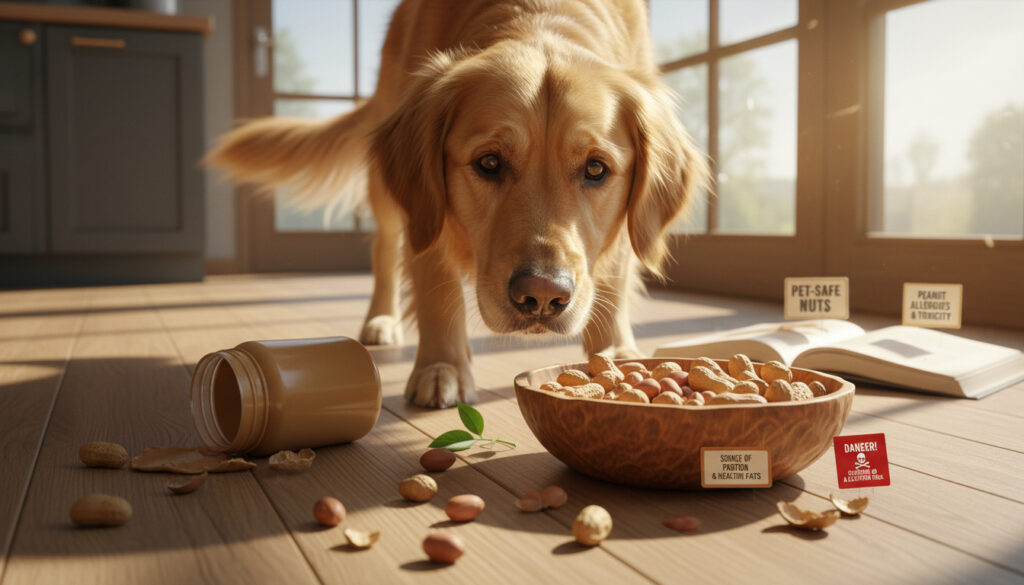
Can Dogs Eat Peanuts – Safety, Risks and Benefits
Plain peanuts and peanut butter occupy a complex position in canine nutrition. While veterinary toxicology databases classify unsalted, shelled peanuts as non-toxic, specific commercial preparations—particularly sugar-free peanut butters—contain compounds capable of inducing fatal metabolic crises. The safety of these legumes hinges entirely on processing methods, additives, and strict portion control.
Current consensus from American Kennel Club nutritional experts establishes that dry-roasted or raw unsalted varieties represent appropriate occasional treats for most healthy adult dogs. Conversely, salted snack mixes, candy-coated products, and any peanut butter containing xylitol introduce hazards ranging from sodium toxicity to acute hepatic failure. Understanding these distinctions prevents emergency veterinary visits while allowing strategic use of peanuts as high-value training rewards.
The following analysis examines safety protocols, toxicological risks, and precise feeding measurements based on peer-reviewed veterinary literature and poison control data. Special attention focuses on xylitol toxicity, aflatoxin contamination risks, and breed-specific portion limitations essential for responsible pet ownership.
Are Peanuts Safe for Dogs?
Plain, shelled, dry-roasted or raw unsalted peanuts
Salted, flavored, boiled, or in-shell peanuts
Only xylitol-free formulations with no added salt
Occasional moderation only; under 10% of daily calories
- Plain peanuts deliver 26g of protein per 100g serving alongside dense caloric energy (567 calories/100g).
- High fat content (49g/100g) creates obesity and pancreatitis risks with habitual overfeeding.
- Xylitol-containing peanut butters trigger rapid insulin release, causing fatal hypoglycemia within 30-60 minutes.
- Peanut shells present choking hazards and gastrointestinal obstruction risks, particularly for toy breeds.
- Raw peanuts may harbor Aspergillus flavus, a fungus producing aflatoxins linked to acute liver failure.
- Excess sodium in salted varieties (often exceeding 400mg/100g) stresses renal function and causes polydipsia.
- Allergic reactions, though statistically rare, manifest as pruritus, angioedema, or respiratory distress.
| Nutrient | Per 100g Peanuts | Canine Dietary Relevance |
|---|---|---|
| Protein | 26g | Supports muscle maintenance; exceeds most commercial treats |
| Total Fat | 49g | Risk factor for pancreatitis if exceeding 10% of daily caloric intake |
| Calories | 567 | Energy-dense; requires strict portion control |
| Vitamin E | 8.3mg | Antioxidant support for cellular membrane integrity |
| Vitamin B6 | 0.3mg | Coenzyme in amino acid metabolism |
| Niacin | 12.1mg | Supports epidermal and gastrointestinal health |
| Sodium (unsalted) | 18mg | Negligible; salted varieties contain 400mg+ |
Can Dogs Eat Peanut Butter?
Peanut butter functions as a staple enrichment tool in canine behavioral management, yet its safety profile varies dramatically by brand formulation. Purina veterinary nutritionists confirm that products containing solely ground peanuts—potentially with trace salt—remain safe for intermittent use. The critical variable involves sugar alcohol sweeteners, specifically xylitol, which appears in certain “sugar-free” or “natural” formulations marketed to human health-conscious consumers.
The Xylitol Toxicity Mechanism
Xylitol triggers a massive insulin release in canines independent of actual blood glucose levels. North Carolina State University’s Veterinary Medicine program documents that this artificial sweetener causes acute hypoglycemia, with symptoms including vomiting, ataxia, tremors, seizures, and hepatic necrosis potentially leading to death. Toxic doses begin at approximately 0.1 grams per kilogram of body weight, meaning a single tablespoon of xylitol-sweetened butter could prove fatal to a small terrier.
If ingestion of xylitol-containing peanut butter occurs, contact the Pet Poison Helpline immediately at 1-800-213-6680 or proceed to emergency veterinary care. Clinical symptoms manifest within 30 to 60 minutes; intervention must precede hypoglycemic crisis for optimal survival outcomes.
Selecting Safe Commercial Brands
Veterinary toxicologists recommend scrutinizing ingredient lists for hydrogenated oils, excessive sodium, and preservatives. Specialty veterinary guidance suggests favoring organic, single-ingredient varieties or homemade preparations eliminating commercial additives. Products labeled “all-natural” still require verification, as this terminology does not preclude xylitol inclusion.
Quantitative Feeding Limits
Quantitative limits prevent nutritional excess. Small dogs (under 25 pounds) should receive maximum half a tablespoon daily, while large breeds (over 60 pounds) tolerate up to one full tablespoon. National Peanut Board veterinary consultants emphasize these portions must integrate into the treat allocation comprising less than 10 percent of total daily caloric intake.
Risks of Different Types of Peanuts for Dogs
Salted and Processed Varieties
Snack-grade peanuts roasted with salt or flavor coatings introduce sodium loads potentially exceeding 400mg per 100g serving. ElleVet Sciences research indicates such concentrations risk hypernatremia, characterized by excessive thirst, vomiting, and potential neurological disturbances. Seasoned varieties containing onion or garlic powder compound risks through hemolytic toxin exposure.
Raw Peanuts and Aflatoxin Contamination
Unprocessed raw peanuts occasionally harbor Aspergillus flavus, a fungus producing aflatoxins linked to acute hepatic failure and carcinogenesis. While commercial roasting typically destroys these mycotoxins, improperly stored raw nuts retain toxicity potential. PetMD veterinary sources specifically flag this risk for dogs with pre-existing hepatic compromise.
In-Shell and Whole Peanuts
Intact peanut shells present dual hazards: mechanical obstruction of the gastrointestinal tract and dental fracture risks. The fibrous, indigestible hulls can accumulate in the pylorus or intestines, requiring surgical intervention. AKC nutritional guidelines explicitly prohibit shell feeding regardless of dog size.
Always remove shells and split whole nuts lengthwise for small breeds to minimize choking risks. Crush peanuts into fragments smaller than kibble when using as training treats to prevent esophageal lodging.
Benefits of Peanuts for Dogs
When stripped of hazardous additives, peanuts offer legitimate nutritional value. The legume provides complete plant protein containing essential amino acids alongside vitamin E, B-complex vitamins, and niacin. These micronutrients support epidermal health, cellular antioxidant defenses, and energy metabolism. Clinical veterinary nutrition acknowledges these benefits primarily justify use as high-value rewards rather than dietary staples.
Practical applications extend beyond basic nutrition. The strong aromatic profile and adhesive texture make peanut butter ideal for concealing oral medications or occupying puzzle feeders. This behavioral enrichment utility explains the ingredient’s persistence in positive-reinforcement training protocols despite caloric concerns.
While peanuts contain beneficial arginine and resveratrol, these compounds do not offset the fat content risks. Treat peanuts as intermittent supplements rather than functional foods, maintaining focus on species-appropriate commercial diets for primary nutrition.
Emergency Timeline: Xylitol Ingestion Response
- Ingestion occurs; asymptomatic period. Identify the product and estimate quantity consumed based on remaining jar volume.
- Insulin surge triggers hypoglycemia. Dog exhibits vomiting, weakness, lethargy, or ataxia. Emergency veterinary protocols mandate immediate intervention regardless of symptom severity.
- Hepatic necrosis may develop even with stabilized glucose. Liver enzyme monitoring and hepatoprotective therapy become critical.
- Prognosis depends on initial dose and intervention speed. Survivors may require prolonged supportive care for hepatic regeneration.
Established Facts vs. Uncertain Information
Verified by Veterinary Literature
- Plain, unsalted, shelled peanuts are non-toxic in moderation (AKC/ASPCA consensus)
- Xylitol causes rapid, dose-dependent hypoglycemia and hepatic failure
- High fat content correlates with pancreatitis episodes in susceptible breeds
- Peanut shells cause mechanical obstruction requiring surgical removal
Requiring Further Study
- Prevalence rates of peanut-specific allergies versus general legume sensitivity
- Long-term effects of chronic low-dose aflatoxin exposure from raw peanuts
- Breed-specific metabolic variations in fat digestion from nut sources
- Threshold levels for sodium toxicity from repeated salted peanut ingestion
Historical and Regulatory Background
Domesticated peanut cultivation traces to 3000 BC in South America, yet veterinary toxicology regarding canine consumption remained largely unstudied until the early 2000s. The emergence of xylitol as a common sugar substitute in the 2010s precipitated the first widespread poison control alerts, fundamentally altering how veterinary professionals view household nut butters. Unlike What Is a Current Account, which operates under strict financial regulations, pet food safety standards regarding treats remain largely unregulated by federal agencies, placing liability on individual manufacturers and pet owners.
Current American Society for the Prevention of Cruelty to Animals databases classify plain peanuts as non-toxic, yet this designation assumes proper preparation and portioning. The absence of breed-specific feeding guidelines in peer-reviewed literature leaves practitioners relying on general metabolic principles rather than genotype-phenotype correlations. This gap underscores the importance of individualized veterinary consultation before introducing high-fat human foods.
Expert Veterinary Perspectives
“Peanuts are not toxic to dogs, but their high-fat content and the potential for added ingredients like salt, sugar, or xylitol make them a treat that requires caution and moderation.”
— American Kennel Club Canine Nutrition Experts
“Xylitol is extremely toxic to dogs. Even small amounts can cause hypoglycemia (low blood sugar), seizures, liver failure, or even death.”
Final Recommendations for Dog Owners
Plain, shelled, unsalted peanuts and xylitol-free peanut butter constitute acceptable occasional treats for healthy adult dogs, provided servings remain under 10 percent of daily caloric intake. Absolute contraindications include pancreatitis history, obesity, liver disease, and xylitol exposure risk. Owners must prioritize label scrutiny over brand familiarity, particularly when managing household expenses alongside financial planning like How Much is Universal Credit. When uncertainty exists regarding specific ingredients or individual dog tolerance, veterinary consultation provides the definitive safety protocol.
Frequently Asked Questions
What happens if a dog eats peanuts?
Consumption of plain, unsalted peanuts typically causes no adverse effects in healthy dogs. Salted varieties may trigger vomiting or excessive thirst, while xylitol-containing products require emergency veterinary intervention due to rapid hypoglycemia risk.
Do peanuts cause allergies in dogs?
True peanut allergies remain rare in canines compared to environmental sensitivities. Clinical signs include pruritus, facial swelling, gastrointestinal distress, or respiratory difficulty. Discontinue feeding and consult a veterinarian if hypersensitivity reactions develop.
Can dogs eat boiled peanuts?
Boiled peanuts typically contain high sodium levels and potential seasoning additives like garlic or onion powder, making them unsuitable for canine consumption. The soft texture masks dangerous salt concentrations.
How much peanut butter is too much?
Exceeding half a tablespoon for small dogs or one tablespoon for large breeds daily constitutes overfeeding. Treats including peanut butter should comprise less than 10 percent of total daily calories to prevent obesity and pancreatitis.
Are honey-roasted peanuts safe for dogs?
Honey-roasted varieties contain added sugars and oils that increase caloric density without nutritional benefit. The sugar content risks dental disease and metabolic stress, rendering plain dry-roasted or raw unsalted peanuts preferable.
Can puppies eat peanuts?
Veterinary nutritionists generally recommend avoiding peanuts for puppies under six months due to immature digestive enzymes and heightened choking risks. Puppy-specific commercial treats provide safer nutritional supplementation.
More related posts
 When Is World Book Day 2025 – March 6 Theme and Future Dates
 Which Magnesium Is Best for Sleep – Guide to Deeper Rest
 Ronald Kray – Death, Partners and the Kray Twins Story
 Kelly Clarkson Weight Loss – Medication, Diet and Complete Timeline
 Mary Berry Carrot Cake Recipe – Full Guide with Tips and Variations
 Cast of We Live in Time – Full Cast List and Where to Watch
 Free VPN for iPhone – Safest Options in 2024
 Denise Welch – Biography, Age, Husband & Son in 2025