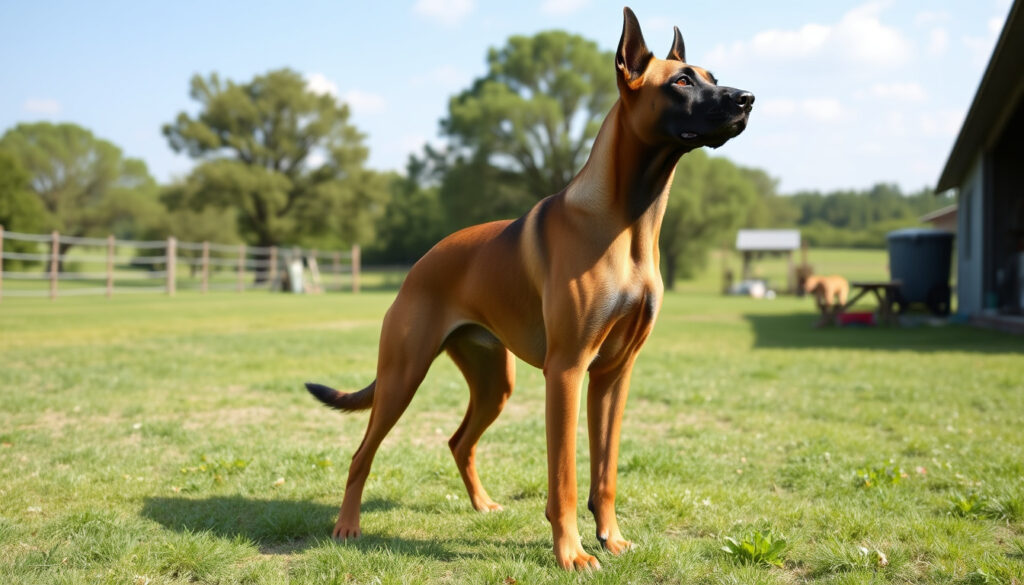
Belgian Malinois for Sale – Prices, Breeders & Buyer Guide
The Belgian Malinois has become one of the most sought-after working dog breeds in the United States, prized for its exceptional intelligence, athletic prowess, and unwavering loyalty. Whether you’re searching for a high-performance police partner, a competitive sports companion, or an active family dog with exceptional drive, understanding where to find healthy puppies from reputable sources is essential. This comprehensive guide covers pricing, breeder selection, health considerations, and everything prospective owners need to know before bringing home a Belgian Malinois.
Prospective buyers should understand that this breed demands significant time, training investment, and an active lifestyle. The difference between a well-bred, properly socialized Malinois and an impulse purchase can mean years of enjoyment or struggle. Taking time to research breeders, understand lineage distinctions, and prepare for the breed’s intense working drive will set both owner and dog up for success.
How Much Does a Belgian Malinois Cost?
Belgian Malinois puppies from reputable USA breeders typically range from $1,392 to $2,675 on average, with AKC-registered working line pups often commanding the higher end of the spectrum at $2,000 to $2,700. Several factors influence these prices, including breeder reputation, lineage quality, health testing protocols, and whether the puppy comes from proven working parents with titles in protection, detection, or sports.
- Verify breeder credentials: Only purchase from breeders who provide OFA health testing documentation for both parent dogs.
- Understand lineage costs: Puppies from titled working parents with proven pedigrees command premium prices.
- Budget for the first year: Total first-year costs including purchase price, training, veterinary care, and supplies typically reach $5,000 or more.
- Avoid discounted puppies: Puppies priced below $1,000 often indicate substandard breeding practices or health issues.
- Consider started dogs: Some breeders offer trained adolescent dogs, which may be preferable for first-time Malinois owners.
- Factor in location: Prices vary by region, with shipping arrangements potentially adding additional costs.
| Fact | Details |
|---|---|
| Average Lifespan | 12-14 years |
| Origin | Belgium |
| Energy Level | Extremely high |
| Exercise Needs | 2+ hours daily |
| Trainability | Exceptional |
| AKC Recognition | Recognized since 1959 |
| Common Roles | Police, SAR, detection, sports |
| Coat Type | Short, weather-resistant |
Where to Find Belgian Malinois Puppies for Sale
Finding a reputable source for Belgian Malinois puppies requires knowing where to look and what credentials to verify. The American Belgian Malinois Club (ABMC), as the AKC-recognized parent club, maintains a breeder referral list of members who adhere to a strict Breeder Code of Ethics emphasizing health, temperament, and breed preservation. Prospective buyers should start their search through official channels rather than classified listings or impulse purchases.
Official Breed Club Resources
The American Belgian Malinois Club recommends thorough research and direct contact with member breeders. These breeders commit to ethical practices, health testing, and proper socialization protocols. The ABMC advocates for prospective owners to understand the breed’s demanding nature before making a purchase decision.
Verified Online Marketplaces
Platforms like GoodDog list over 25 AKC-registered breeders with verified reviews, health guarantees, and various pickup or shipping arrangements. These marketplaces vet breeders for compliance with health testing standards and provide buyer protections that random classified listings cannot offer. Lancaster Puppies similarly offers nationwide listings, highlighting the breed’s athletic characteristics and suitability for active homes.
Specialized Working Line Breeders
KSDK Malinois represents a notable example of breeders specializing in high-quality working lines, producing AKC-registered puppies from OFA-health-tested parents proven in protection, tracking, detection, search and rescue, and sports competitions. Such breeders occasionally offer started or trained dogs for those seeking immediate working capability. Many specialized breeders use Puppy Culture protocols and carefully match puppies to appropriate homes based on the buyer’s experience level and intended role.
When searching for Belgian Malinois for sale near me, use the AKC and ABMC breeder finder tools to identify certified breeders in your state. Local breeders allow in-person visits to assess breeding conditions and meet parent dogs, providing valuable context that shipped puppies cannot offer.
Rescue and Adoption Options
The ABMC encourages prospective owners to consider rescue organizations first. Malinois-specific rescues exist through the ABMC rescue network and GoodDog’s rescue network. These organizations often have adult dogs whose previous owners could not meet their exercise and training needs. While purebred rescue puppies are less common than in shelters, adult rescue Malinois can make excellent companions for experienced handlers familiar with the breed’s demands.
Are Belgian Malinois Good Family Dogs?
Belgian Malinois are athletic, alert, loyal, and exceptionally intelligent dogs that thrive with purposeful work and consistent structure. When properly trained and socialized, they can excel in active family environments, particularly homes where members understand the breed’s intense drive and exercise requirements. However, they are not suitable for every household.
Understanding Temperament and Drive
Reputable breeders select for excellent temperaments, producing puppies that can be sweet and versatile in family settings when given appropriate training and activity. The breed’s high energy and working drive mean that idle Malinois often develop behavioral problems. These dogs excel as adventure companions, service animals, and active family members when their needs are met consistently.
Not Recommended For
Belgian Malinois are not ideal for first-time dog owners, sedentary families, or households unable to commit to extensive daily exercise and mental stimulation. Their intense focus and protective instincts require experienced handling and early socialization to prevent potential issues. Families with very young children should carefully consider whether they can provide the structured environment this breed requires.
Comparing the Belgian Malinois to German Shepherds
| Aspect | Belgian Malinois | German Shepherd |
|---|---|---|
| Build | Lighter, faster, more agile | Heavier, stockier build |
| Energy Level | Extremely high; needs intense jobs | High but more versatile |
| Family Suitability | Requires experienced owners | More adaptable to pet homes |
| Common Roles | Police, SAR, sports; sharper edge | Police, family, general versatility |
| Breeder Availability | Working lines dominant | More show and pet lines available |
Many experienced handlers describe Malinois as “German Shepherds on steroids”—offering greater speed and intensity but requiring significantly more dedication. The breed’s lighter frame provides exceptional agility, while the German Shepherd’s versatility makes it more accessible for first-time working dog owners.
Belgian Malinois puppies are highly trainable with positive reinforcement methods, excelling in obedience, protection work, and competitive sports. However, their rapid learning ability means both good and bad habits develop quickly. Early, consistent training with experienced guidance is essential to develop a well-adjusted adult dog.
Choosing a Reputable Belgian Malinois Breeder
Selecting the right breeder is perhaps the most critical decision in acquiring a Belgian Malinois. Quality breeders invest in health testing, proper socialization, and matching puppies to appropriate homes. Their commitment to the breed extends far beyond the sale transaction.
Essential Credentials to Verify
Prospective buyers should confirm several key credentials before committing to a purchase. OFA genetic health testing for hips, elbows, and eyes demonstrates responsible breeding practices. AKC registration through member clubs like the ABMC provides additional accountability. Parents should possess working titles or proven temperaments relevant to the puppy’s intended role.
Questions to Ask Breeders
- Can I meet the puppy’s parents and observe their temperaments?
- What health testing has been performed on the breeding stock?
- What socialization protocols do you use with puppies?
- What support do you offer after the sale?
- What are the expected exercise and training commitments?
- Do you offer any health guarantee or take-back policy?
Be cautious of breeders who cannot provide health testing documentation, refuse to allow visits or parent meetings, offer multiple litters simultaneously, price puppies significantly below market rates, or make promises of instant availability. These patterns often indicate substandard breeding practices that can result in health and behavioral problems.
Working Line vs. Show Line Considerations
Belgian Malinois puppies are available in both working and show lines, each with distinct characteristics suited to different purposes. Working lines are bred for drive, athleticism, and performance in jobs like protection, police work, and competitive sports. These puppies typically have higher energy and more intense focus, requiring experienced handlers who can provide appropriate outlets for their drive.
Show lines are bred to AKC conformation standards with balanced structure and calmer temperaments suitable for the show ring and family companionship. While still versatile and athletic, show line Malinois tend to be less intense than their working line counterparts, potentially making them more suitable for active families seeking a performance-oriented companion rather than a dedicated working dog.
Health Concerns in the Breed
Responsible breeders prioritize OFA genetic health testing to minimize the risk of hereditary conditions. Common health concerns in Belgian Malinois include hip dysplasia, elbow dysplasia, and epilepsy. Puppies from health-tested parents have significantly reduced risk of these conditions, potentially saving owners substantial veterinary expenses over the dog’s lifetime.
While health-tested puppies may cost more upfront, they typically require fewer veterinary interventions throughout their 12-14 year lifespan. The initial investment in a well-bred puppy from health-tested parents often represents significant savings compared to treating hereditary conditions in poorly-bred dogs.
The History and Development of the Belgian Malinois
The Belgian Malinois is one of four Belgian sheepdog varieties, named after the city of Malines in Belgium where the breed was primarily developed. Understanding the breed’s history helps prospective owners appreciate the characteristics that make these dogs exceptional working partners.
- Late 1800s: Belgian shepherds were bred for herding, with distinct regional varieties emerging based on coat type and color.
- 1891: Professor Adolphe Reul organized the systematic breeding and documentation of Belgian shepherd varieties.
- Early 1900s: The Malinois variety, characterized by short fawn coats with black masks, gained recognition for its working ability.
- World War I: Belgian Malinois served as messenger dogs, ambulance dogs, and Red Cross dogs during combat operations.
- World War II: The breed continued military service, with Malinois notably assisting in commando operations.
- Post-war era: The breed’s reputation as police and protection dogs grew significantly.
- Modern era: Belgian Malinois have become preferred candidates for military operations, including the raid that led to Osama bin Laden.
What You Can Verify vs. What Remains Uncertain
| Established Information | Information Requiring Verification |
|---|---|
| AKC recognition since 1959 | Specific puppy lineage claims |
| OFA health testing requirements | Individual breeder practices |
| Average price ranges from verified sources | Actual puppy availability in your area |
| Breed characteristics and exercise needs | Individual puppy temperament predictions |
| Working line vs. show line distinctions | Whether mixed puppies are being sold as purebred |
| ABMC breeder code of ethics | Whether online sellers are genuinely certified |
Prospective buyers should independently verify all claims made by breeders. Request documentation of health testing, confirm AKC registration numbers, and contact references when available. When purchasing online, use secure payment platforms and understand the return policies before committing. If you’re considering adding a canine companion to your family, you can Adopt a dog in Ireland.
Understanding the Belgian Malinois Market
Demand for Belgian Malinois puppies has increased substantially in recent years, driven by the breed’s prominent role in military operations, law enforcement, and popular media. This heightened visibility has attracted both serious working dog enthusiasts and casual buyers who may not fully understand the breed’s requirements.
The market reflects this demand with prices that have remained relatively stable despite economic fluctuations. Working line puppies from proven stock consistently command premium prices, while show line and companion-bred puppies occupy a broader price range. For 2025, industry observers note continued strong demand for working lines, with breeders reporting extended waiting lists for puppies from established programs.
Geographic variations affect pricing and availability. Areas with higher concentrations of working dog enthusiasts and law enforcement training facilities may have more breeder options but also higher prices due to local demand. Buyers willing to travel or arrange shipping may find better options in regions with less intense local demand.
What Expert Organizations Say
The Belgian Malinois is a medium-to-large breed of dog, sometimes classified as a variety of the Belgian Shepherd Dog. Originally bred for herding, the Malinois has become widely recognized for its use in police and military work due to its high intelligence, strong work drive, and trainability.
— American Kennel Club
The Belgian Malinois should be evaluated as a working dog, and exaggeration of lightness or smallness is a serious fault. The breed must retain its ability to work, and all characteristics that would interfere with this ability, including temperament and structure, should be penalized.
— United Kennel Club Breed Standard
These official standards emphasize that the Belgian Malinois remains fundamentally a working breed, bred to perform demanding tasks. Prospective owners should view purchases through this lens, seeking breeders who prioritize working characteristics alongside companion suitability.
Bringing Home Your Belgian Malinois
Acquiring a Belgian Malinois represents a significant commitment of time, resources, and lifestyle adjustment. Prospective owners should approach the decision with the same deliberation they would apply to any major life change. The investment in finding the right puppy from the right source will pay dividends throughout the dog’s 12-14 year lifespan.
Before bringing home your new companion, ensure your home environment can accommodate the breed’s exercise requirements, that your schedule allows for extensive daily activity and training, and that all family members understand the commitment involved. Many new Malinois owners benefit from enrolling in structured training classes immediately, establishing good habits from the start.
For those interested in the breed’s dietary needs and safety considerations, Can Dogs Eat Peanuts – Safety, Risks and Benefits provides relevant information about appropriate treats and foods for active working breeds.
How do I find Belgian Malinois for sale near me?
Use the American Belgian Malinois Club breeder referral tool and AKC marketplace to identify certified breeders in your state. These resources allow you to search by location, view breeder credentials, and initiate contact directly with verified sources rather than relying on classified advertisements.
What health issues do Belgian Malinois have?
Common health concerns include hip dysplasia, elbow dysplasia, and epilepsy. Responsible breeders perform OFA genetic testing on breeding stock to minimize hereditary risks. Request documentation of parent health testing before purchasing.
How much exercise does a Belgian Malinois need?
Belgian Malinois require at least two hours of daily exercise and mental stimulation. This breed thrives with purposeful work, athletic activities, and structured training sessions. Inadequate exercise often leads to behavioral problems.
Are Belgian Malinois good with children?
Belgian Malinois can be excellent with children when properly socialized and trained from puppyhood. However, their high energy and intense play style require supervision, particularly with younger children. The breed is best suited for families with older children who can participate in training and exercise activities.
What is the difference between working line and show line Belgian Malinois?
Working line Malinois are bred for drive, athleticism, and performance in police, protection, and sports roles. Show line Malinois conform to AKC standards with more moderate energy levels and balanced temperaments suitable for companionship and show competition.
Can I adopt a Belgian Malinois from rescue?
Yes, Malinois-specific rescues exist through organizations connected to the ABMC and platforms like GoodDog. Adult rescue dogs can make excellent companions for experienced handlers familiar with the breed’s characteristics and requirements.
How do I verify a breeder’s credentials?
Confirm AKC registration, ABMC membership, and request copies of OFA health testing certificates for both parent dogs. Visit the breeding facility if possible, meet the puppies’ parents, and contact references from previous puppy buyers.
What should I budget for the first year?
Beyond the purchase price of $1,400 to $2,700, budget for training classes, veterinary care including vaccinations, quality food, supplies, and equipment. First-year total costs typically reach $5,000 or more for a well-cared-for Belgian Malinois.
More related posts
 Richard Osman Books in Order – Complete Guide to Series and Releases
 Mr and Mrs Smith Hotels – Complete Guide to Booking and Perks
 Patrick Swayze – His Death, Wife and Iconic Movies
 England National Football Team vs Wales National Football Team Lineups – Match Report and Result
 Dina Asher-Smith – Biography, Records and What We Know in 2025
 Cast of We Live in Time – Full Cast List and Where to Watch
 Can You Have Sex While Pregnant – Safety Tips From Experts
 Barry Keoghan Sabrina Carpenter – Relationship Timeline